Avian Welfare Resource Center from the The Avian Welfare Coalition (AWC) is a grassroots network of representatives from avian welfare, animal protection, and humane organizations dedicated to the ethical treatment and protection of birds living in captivity and in their natural habitats. The mission of the AWC is to prevent the abuse, exploitation, and suffering of captive birds, and to address the crucial issues of rescue, placement, and sanctuary for displaced birds. The AWC also supports efforts to insure the survival of wild birds and the conservation of their natural habitats.


Google

Search AWC

Search WWW

Facebook

National Bird Day - January 5

AWC Store

Don't Buy...Adopt!

Pet Store Watch


Wild at Heart: Exotic Birds
& the Pet Trade

A Video by Born Free USA


Bird Mills – An Inside Look

Photo Copyright  Krista Menzel - All Rights Reserved
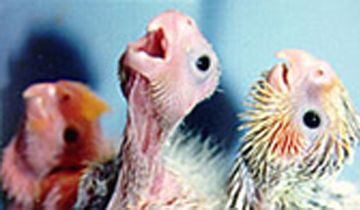
Baby birds belong with their
parents, not in pet stores


There’s no place like home.
For birds, that place is
in the wild!

Avian Welfare Issues 
From Extinction to Euthanasia

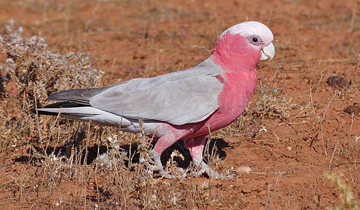
Parrots and other exotic birds are not domesticated animals; they are the native species of other countries. They are adapted for life in the wild, not our homes. 

They live in two opposing worlds — and they are threatened in both.

In the wild, habitat destruction, poaching, and the cruelties of the legal and illegal trade in exotic animals menace them. Some species face extinction.

Here in the United States, ironically, there’s a crisis of a different sort: a surplus of these same species end up in shelter and rescue facilities. The vast majority of captive birds live in situations that fail to meet their true physical and behavioral needs, and each year thousands become victims of abuse, neglect and displacement; some even face the fate of being euthanized. 

The fight on behalf of exotic birds — for their welfare and very survival — must be waged on many fronts:  in rain forests, grasslands, cliffs, and brush regions around the globe, as well as in breeding facilities, pet stores, zoos, and our nation’s living rooms.  Animal-protection statutes must be enforced and, if necessary, amended. Breeding and sales must be regulated. The fight will demand international cooperation, conservation campaigns, and other initiatives.

Remember: Outside of special directed release programs, captive birds cannot be returned to the wild; they cannot be set free to fend for themselves. They do not possess the learned skills necessary to survive.   

We have an ethical responsibility to provide the best care possible for those living in captivity. Parrots and other exotic birds deserve the same protection—including legal safeguards and shelter for those victimized by abuse, neglect, or displacement—afforded to domestic pets and other wild animals. In addition, conservation programs are needed to protect and preserve exotic birds in their natural habitats.

Better yet, just as we appreciate our own native wild birds flying freely outside our window, let us remember that the native birds of other countries also belong in the wild, not in our homes.

No Flock, No Flight, No Fair!

Learn more here:

Overview

Parrots as Pets

Bird Rescue, Sheltering & Placement


Aviculture, Bird Mills & Retail Marketing


Sale of Unweaned Babies


Naturalized Parrots


Conservation


For more information on exotic bird welfare, and how you can help, visit the following web sites and links:

www.NationalBirdDay.org - Help to raise awareness about the plight of captive birds by participating in National Bird Day, January 5th!

www.MoreBeautifulWild.org - Join Born Free USA’s “Keep Wildlife in the Wild” Campaign. 

Take Action for Captive Birds – Learn how you can help!

Conservation of Birds in the Wild- An Overview


All material Copyright © 2002–2010 Avian Welfare Coalition, unless otherwise noted. Contact us to request reprint permission.

Return to Top